Table of contents
Japanese fashion is a captivating tapestry woven from centuries-old traditions and cutting-edge innovation. The dynamic interplay between historical garments and contemporary trends creates a unique style landscape that continues to influence global fashion. Dive deeper to discover how traditional elements blend seamlessly with modern aesthetics, inspiring designers and enthusiasts alike.
Traditional Japanese fashion elements
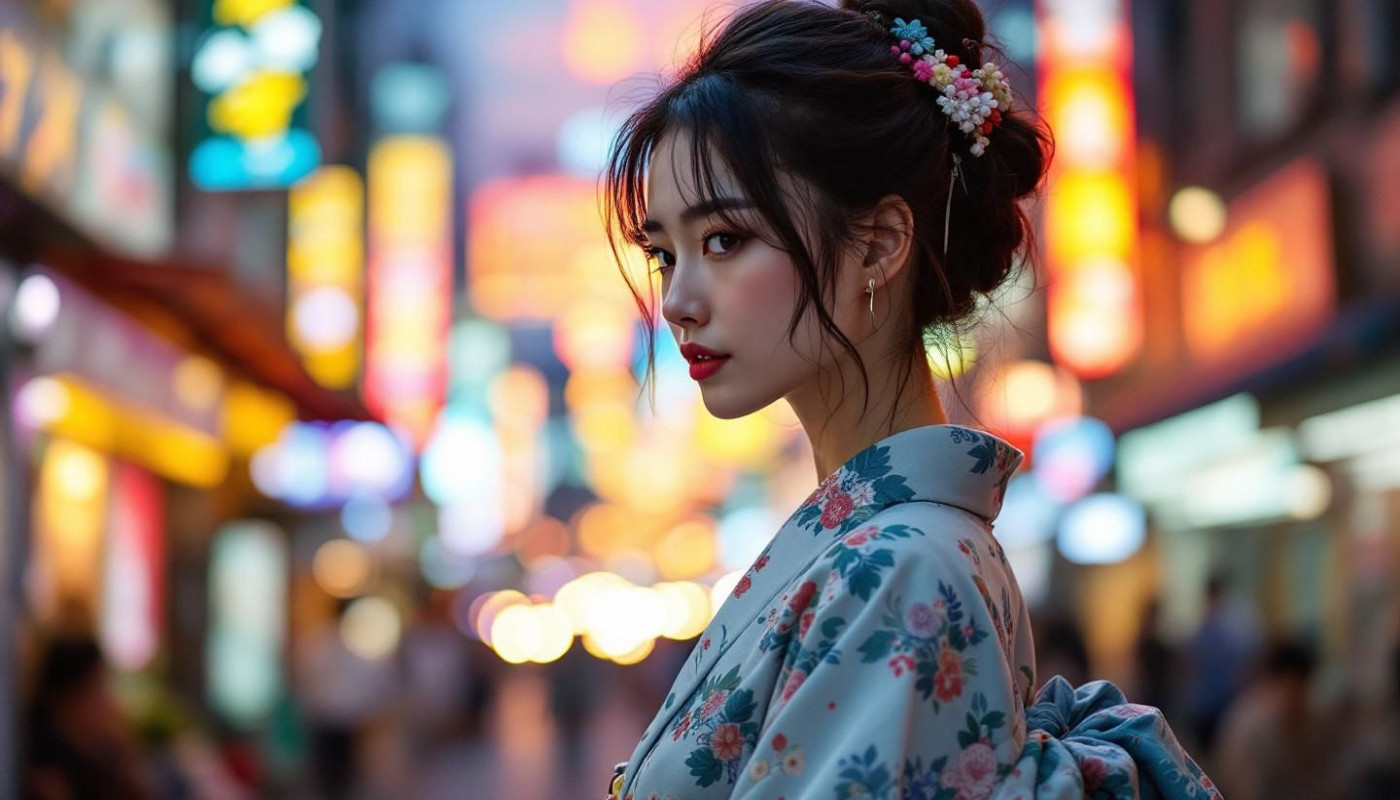
Traditional Japanese clothing showcases a rich tapestry of garments and motifs that have shaped the nation's fashion heritage for centuries. The kimono, an iconic robe with deep roots in kimono history, stands as the foundation of Japanese attire, characterized by its straight seams, wide sleeves, and the use of an obi, a decorative sash that secures and embellishes the garment. Summer brings the lighter yukata, often adorned with vibrant classic Japanese motifs, making it a staple at festivals and casual gatherings. Japanese textile art is renowned for its intricate weaving and dyeing techniques, producing fabrics that are both durable and visually captivating.
Deeply embedded in these garments are motifs such as sakura (cherry blossoms) and cranes, each carrying significant cultural symbolism. Sakura represents the transience of beauty and the fleeting nature of life, a theme celebrated annually during cherry blossom viewing. The crane, believed to bring longevity and good fortune, frequently appears in textile designs, reflecting hopes for prosperity. These motifs not only provide visual appeal but also convey messages and values from Japan’s past. Even today, the persistent use of such patterns in both ceremonial and contemporary designs attests to the enduring legacy of Japanese textile art and the profound respect for cultural symbolism within the nation's evolving fashion landscape.
Modern street style innovation
Japanese street fashion demonstrates a dynamic fusion of heritage and modernity, with youth culture Japan continuously redefining aesthetics through avant-garde silhouettes, experimental layering, and the use of unexpected fabrics. Urban fashion Japan, especially in districts like Harajuku and Shibuya, thrives on the constant interplay between past and present, producing distinctive looks that challenge conventional boundaries. Harajuku style, known for its eclectic and vibrant mixtures, draws inspiration from traditional garments such as kimono and hakama, integrating them into contemporary ensembles that prioritize individual expression. These subcultures not only celebrate creativity but also influence modern fashion trends worldwide, as seen in the adoption of oversized garments, streetwear accessories, and a patchwork approach to styling that blurs gender norms and historical references.
The evolution of Japanese street fashion has made Tokyo a global epicenter for sartorial innovation, where the lines between subculture and mainstream blur. Harajuku and Shibuya remain pivotal locations, fostering communities where experimentation is encouraged and new trends are incubated before gaining international traction. Through the inventive use of textiles, bold color combinations, and layered construction, urban fashion Japan sets itself apart as both a commentary on tradition and a forward-thinking movement. This ongoing reinvention ensures that Japanese street fashion remains at the forefront of global modern fashion trends, influencing designers, brands, and style-conscious individuals far beyond Japan's borders.
Fusion of old and new aesthetics
Japanese fashion fusion thrives on hybridization, a process where designers and artisans skillfully blend age-old traditions with cutting-edge trends. This synergy creates a hybrid fashion style that respects the country’s cultural heritage while propelling it into the global spotlight. Modern kimono silhouettes, for example, showcase traditional techniques Japan is famous for, such as intricate sashiko stitching and delicate yuzen dyeing, but reinterpret them in contemporary forms. Fabrics traditionally reserved for ceremonial wear are now seen in street-ready garments, tailored jackets, or even avant-garde dresses, illustrating how East meets West fashion can result in boundary-pushing designs.
The result of this creative hybridization is a dynamic fashion landscape where innovation does not eclipse tradition, but rather reimagines it for a new generation. Designers like Yohji Yamamoto and Rei Kawakubo exemplify this approach, incorporating kimono fabrics into modern shapes or using time-honored textile methods on unexpected materials. Such experiments allow Japanese fashion fusion to maintain a distinct identity, proving that traditional techniques Japan holds dear can flourish within the context of modern aesthetics. This harmonious blending ensures the continuous evolution of Japanese style while honoring its storied past.
Impact on global fashion trends
Japanese fashion influence has profoundly shaped global fashion trends through a dynamic process of transculturation, blending heritage garments with urban innovation. This unique synthesis, visible in the seamless fusion of kimono-inspired silhouettes, deconstructed tailoring, and avant-garde streetwear, has captivated international runway style. Leading designers—such as Rei Kawakubo, Yohji Yamamoto, and Issey Miyake—have consistently introduced fashion innovation Japan is renowned for, inspiring European and American fashion houses to incorporate Japanese aesthetic philosophies into their collections. These include minimalism, asymmetry, layering, and a strong emphasis on fabric technology, which have become hallmarks of contemporary design worldwide.
Major luxury brands and high street labels alike now frequently reinterpret traditional Japanese motifs and construction techniques, evidencing the pervasive global reach of this transcultural exchange. The adaptability of the Japanese aesthetic allows it to transcend geographical and cultural boundaries, resulting in collaborations that push the boundaries of creativity and redefine modern luxury. Fashion capitals such as Paris, Milan, and New York routinely showcase collections directly influenced by Japanese designers’ bold experimentation and respect for traditional craftsmanship.
International consumers are increasingly drawn to the understated elegance, expressive detailing, and functionality characteristic of Japanese fashion. This appreciation has fueled demand for Japanese brands and inspired cross-cultural partnerships that blend local sensibilities with global appeal. The description of Japanese garments and street style on platforms like description provides enthusiasts and professionals with insights into the diverse range of influences and continuous reinvention at the heart of fashion innovation Japan brings to the world stage.
In sum, the transculturation at the core of Japanese fashion influence has not only transformed international runway style but also continually revitalizes global fashion trends. With the ongoing cross-pollination of heritage and modernity, Japanese aesthetic strategies will likely remain a touchstone for designers and consumers seeking originality and depth in an increasingly interconnected industry.
Preserving tradition in a modern world
Preserving Japanese tradition within the fashion realm relies heavily on educational initiatives and artisan craftsmanship Japan communities dedicated to passing down heritage techniques. Specialized schools and workshops teach the next generation the complex processes behind traditional textile preservation, such as silkscreen dyeing and hand weaving. Artisans, recognized as bearers of intangible cultural heritage, play a key role in ensuring that centuries-old knowledge endures amid a rapidly modernizing society. Cultural festivals across the country create vibrant platforms to showcase these skills, fostering appreciation and encouraging younger audiences to engage with cultural heritage fashion. These events often highlight sustainable fashion Japan practices, emphasizing the environmental wisdom inherent in traditional methods.
Yet, maintaining authenticity in the face of global commercialization remains a persistent challenge. The surge in international demand for Japanese aesthetics sometimes leads to diluted interpretations or mass-produced imitations, which can threaten the integrity of true artisan craftsmanship Japan. Many artisan communities respond by establishing strict standards for labeling and certification, ensuring only genuinely handcrafted products are associated with their regions. Initiatives that connect traditional creators with contemporary designers are also growing, allowing for innovation while respecting the roots of the craft. Such collaborative efforts are vital for the ongoing vitality and relevance of traditional textile preservation and reinforce the enduring value of preserving Japanese tradition within global fashion conversations.
Similar

How Does Shapewear Enhance Everyday Confidence?
